Games and Unions
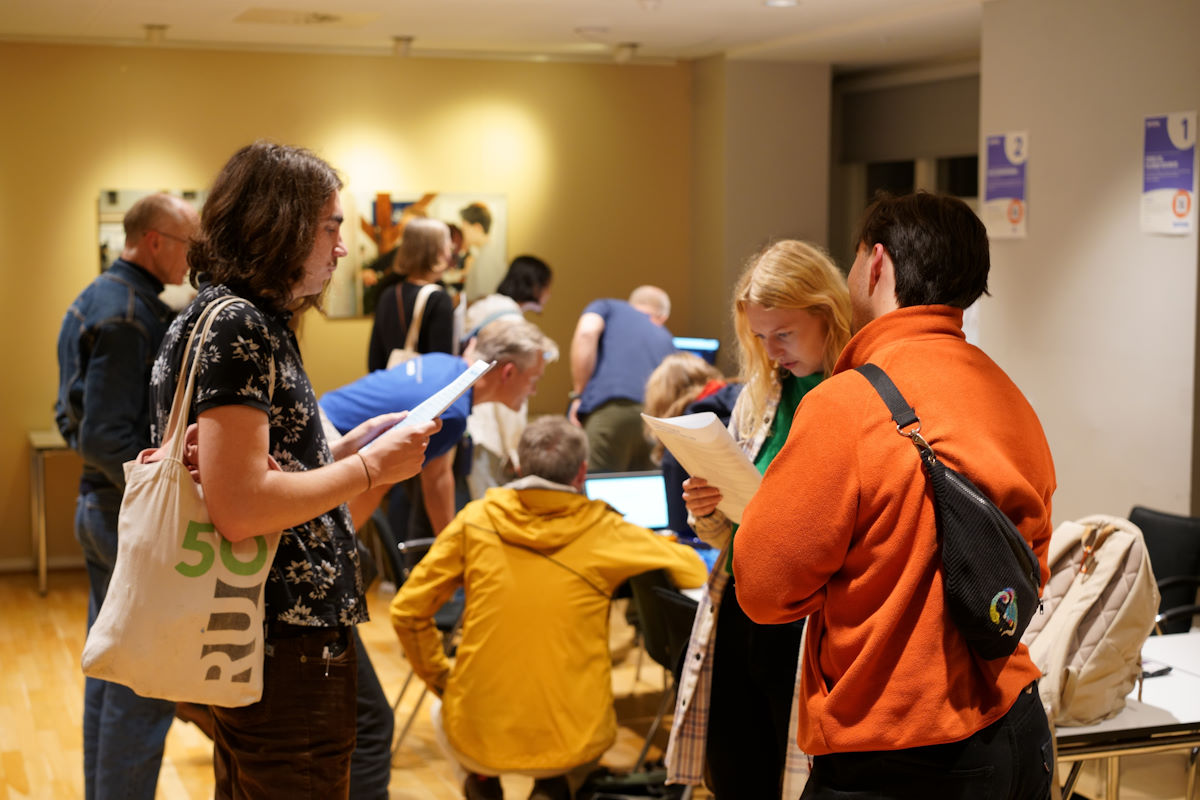
I'm part of what is known as the Game Workers Guild. The short version is that we work together with the Danish unions PROSA, HK, FAF and DM to better the game's industry and further unionisation in that sector. On the 9th of October, PROSA was putting on an event for the Cuture Night 2026 and let Game Workers Guild have a space all about the importance of Open Source software and Digital Sovereignty.
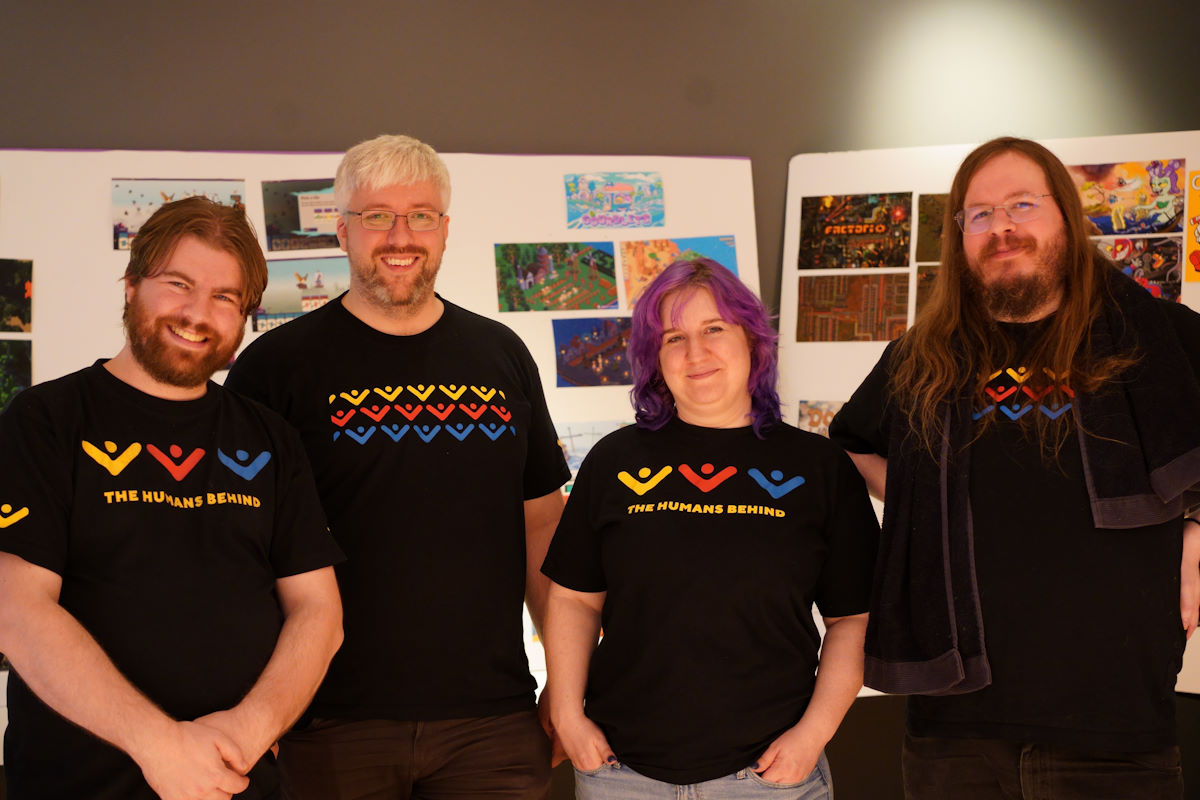
If you live in Denmark and wish to be informed of our events and support the unionisation of the games industry or maybe even get involved join our Discord Server or follow us on Facebook and LinkedIn.
Open Source
When people talk about Open Source software, they often think about it in terms of infrastructure, programs on your computer for office-level productivity or similar day to day use-cases. Some people immediately think of Linux, the tech behind more or less all of the internet we use everyday, or specific projects like LibreOffice or Ubuntu (a flavour of Linux) and various other things. However few people think about game development, unless you are already in that sector. We have amazing software here too such as Godot a Game Engine, Blender 3D modelling, texturing and animation software, Krita digital painting software, Audacity all free and open and much more software as well!
The importance of the existence of this software is hard to overstate. Having software with no barriers of entry other than a learning curve means that no software licensing company can come and take it away from you, make it obsolete one day or change something you are using without any recourse. You have all the control you could ever want, you can contribute if you are so inclined and you can help out by making bug reports and improve the user experience by being part of the community. Open Source Software is also important in general, even if you don't use it, because it forces proprietary services and software vendors to be better. It's hard to compete with free of charge other than making a better service or product that people think it is worth paying for.
There are already well-known companies that use Blender and Godot such as Ubisoft, who has started to integration Blender into their pipelines and EA Games who used the Godot editor to create a map editor for Battlefield 6.
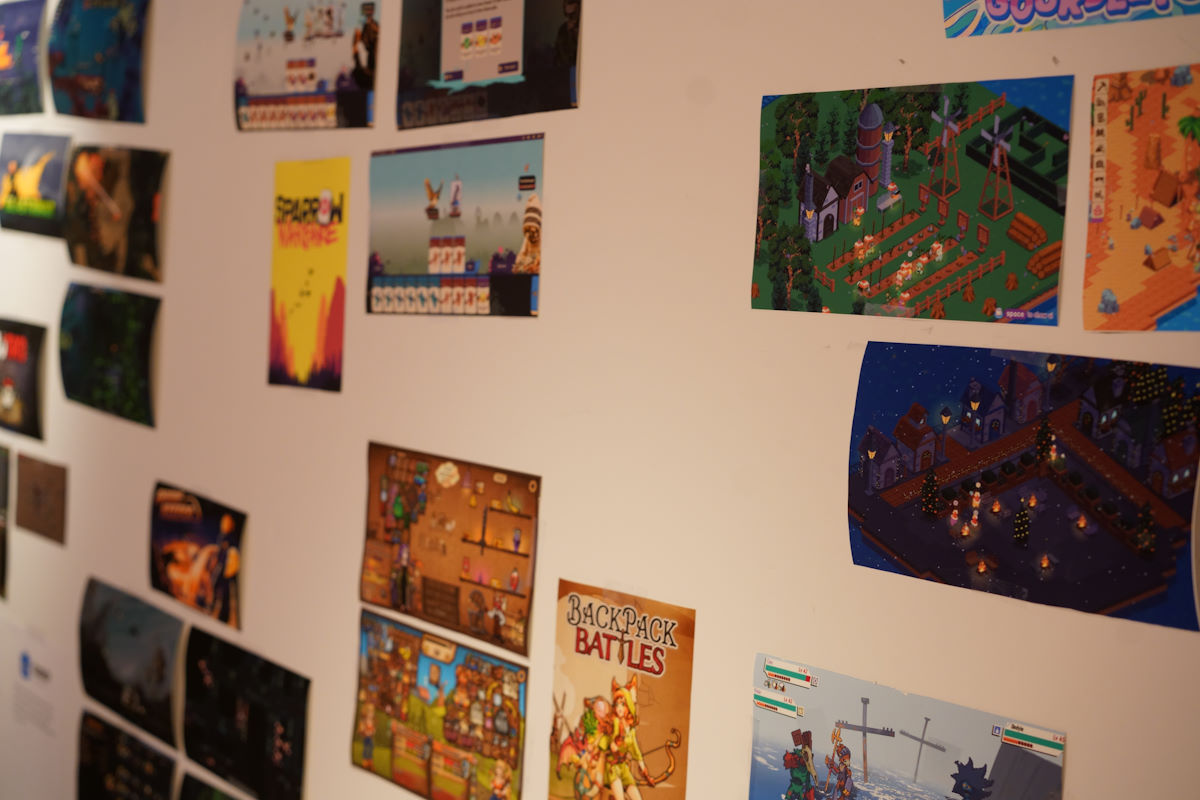
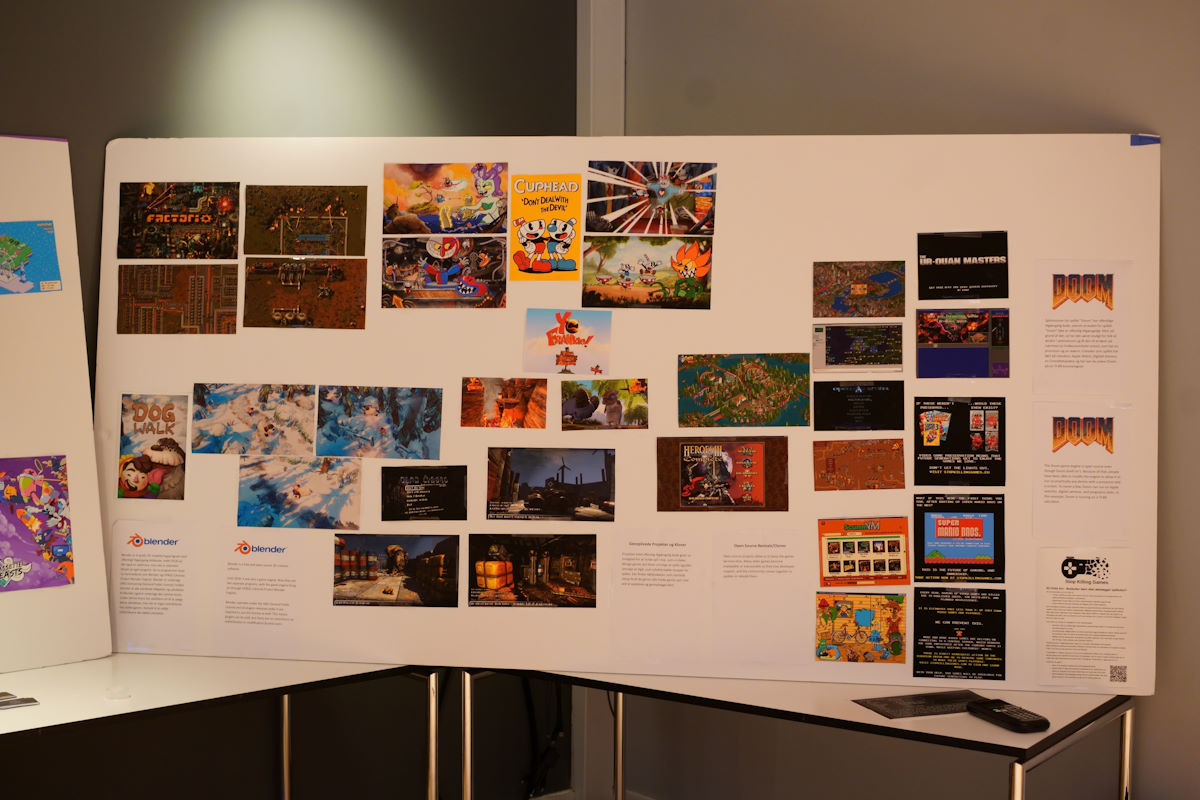
Revivals and Clones
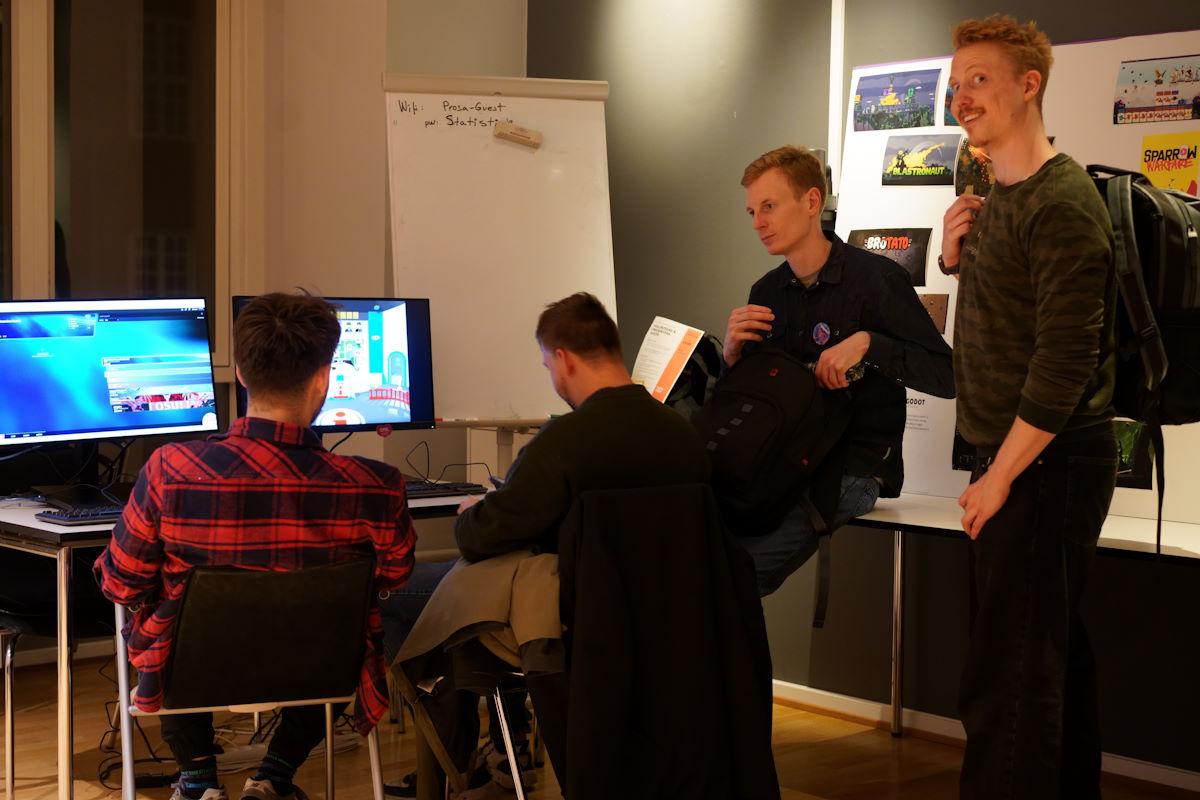
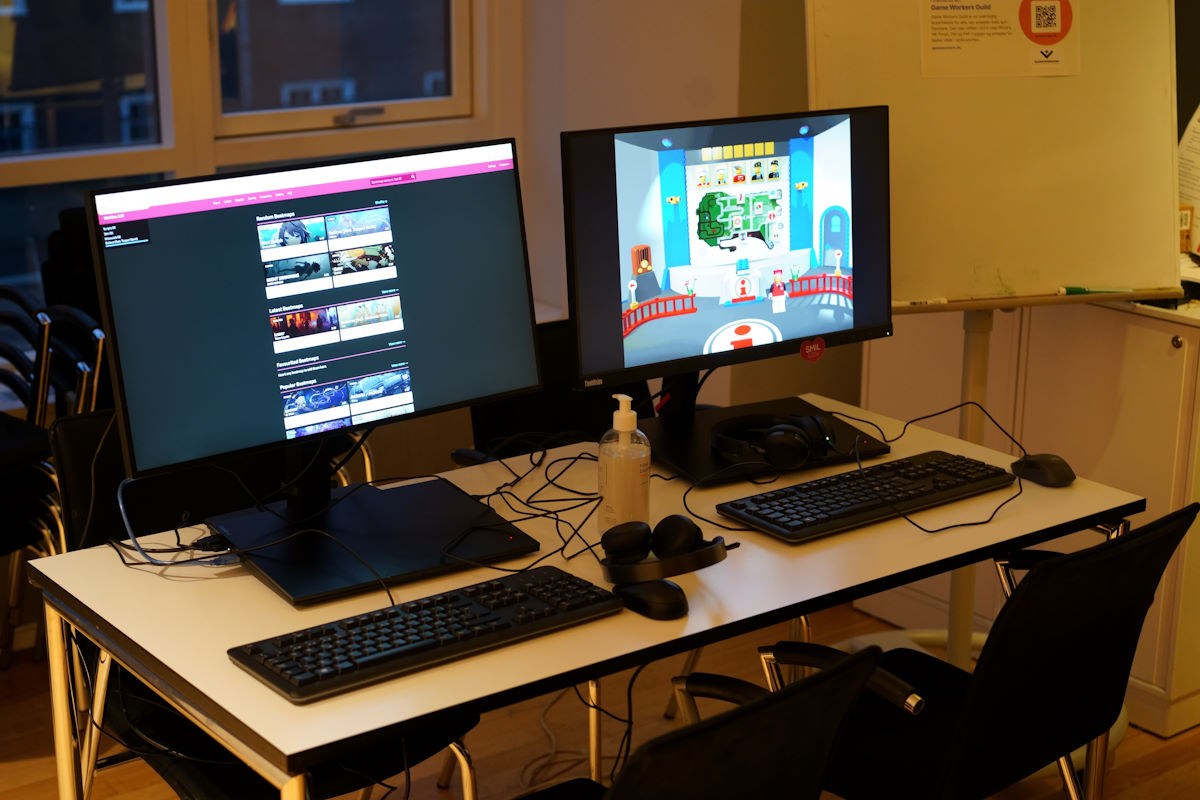
Another big part of Open Source projects are projects that aim to revive or recreate otherwise dead or unplayable games. One such game is LEGO Island where a small team spent a long time reverse engineering the original game files so that they could make the game run on modern hardware while keeping it as intact as they could. You can watch the process on YouTube by pressing here. We had set up a station with LEGO Island which is now playable in the browser (try it for yourself!), a feat unthinkable at the game's release time as well as another beloved rhythm based Open Source game called Osu!.
At the event we also highlighted other revivals such as Pixeline and old Danish game series for children and what is called SCUMMVM. It's less a game and instead a way of people to now play old Lucas Arts adventure games on modern hardware, showing the power of open source communities coming together for a great cause. When games die out and lose support we lose part of our game history when those games then go on to be lost to obscurity and not preserved. These types of efforts are game preservation and is an important thing we must govern and cherish to further encapsulate the cultural significance of these media artifacts long after they lost their relevance.
Can it run Doom?
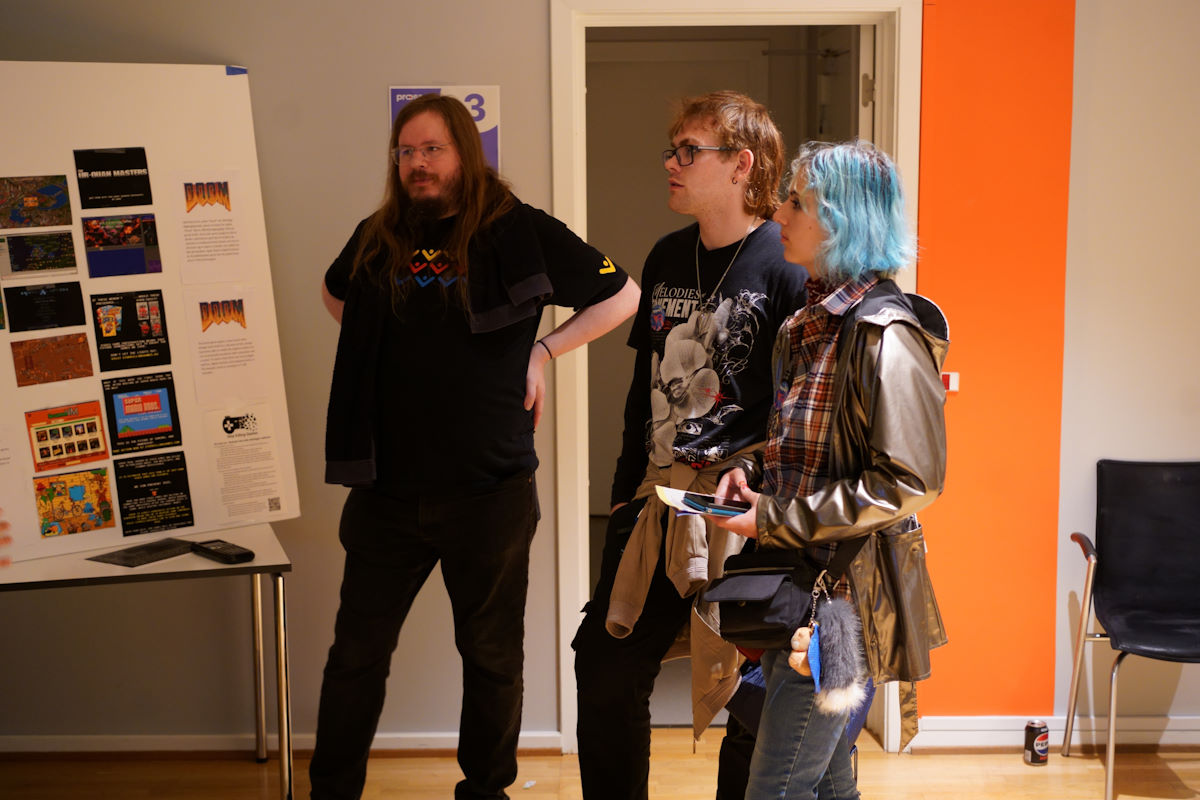
Doom is a 2D, first person shooter game from 1993 that inspired many societal debates about violence in videogames and how it alluded to being for satanism (which is crazy, considering that the game is literally about shooting up hell itself until nothing remains). It also inspired the genre or name for first person shooters called "doom clones" or "doom likes" which later became "first person shooters". The company that made it called [id software]() had made a game engine that could be used in various different ways to create different shooter games and in fact there were some other shooters made with their engine. Today the engine is open source however the game's data and code is not. Various people and online communities found this a fun challenge to attempt to make the game run on various devices that it wasn't originally designed for. Of course the game already had various ports to popular consoles and systems, but these communities went beyond conventional computer platforms to make it run on anything that has a screen and a processor.
There is a whole archive of what has run doom here. On that list includes devices such as:
- A Smart Fridge Screen
- An Apple Watch
- A TI-89 Graphical Calculator
- A Pregnancy Test
- An Excel Spreadsheet
- A PDF
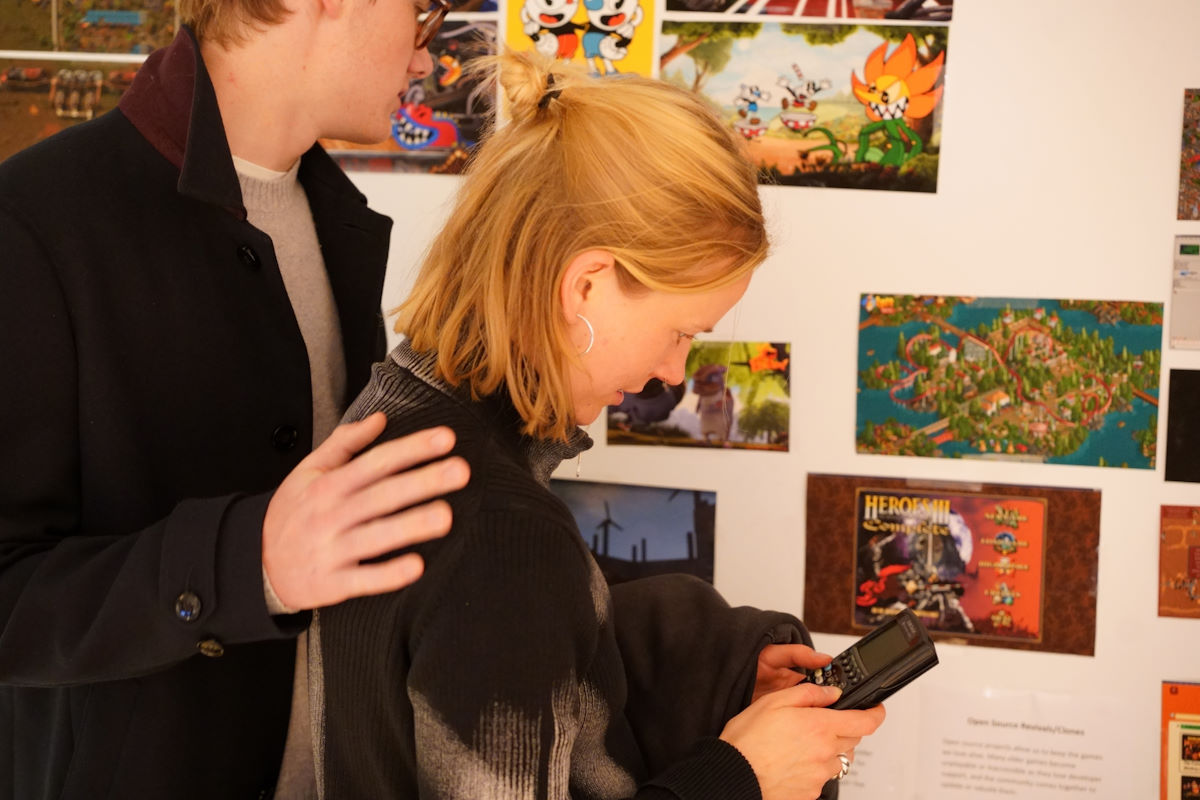
And many more. This was only possible because the engine was open source. We had brought a calculator with the game running on it that people could try to really underline that this is real.
Stop Killing Games / EU Kids Act
We also had a small mention to the Stop Killing Games initiative. For the uninitiated, this was an initiative that attempted to enforce existing European Laws on sales of digital goods while strengthening consumer protections further. The thesis of the initiative is that almost all game companies sell people a "Digital License" rather than a form of ownership over the digital media that they buy. This conflict means that you think you are buying something that you will always have, but in reality it's a license that the seller can always revoke at any time. This is especially problematic with developers that do "Games as a Service" (GaaS) such as World of Warcraft, The Division, Battlefield and others. What Stop Killing Games wanted was two-fold:
- Ensure that the right terminology is used. So instead of saying "Buy X" you would see "Lease" or "Subscribe" or otherwise to better underline that what you are doing is not buying ownership, it's leasing at best. This clarity is something that's already covered by European consumer laws and really needs to be enforced and strengthened for clarity.
- Make it mandatory that Live Service games especially are left in a state where the consumers can pick it up and continue playing it if they want to, after end of service for that game.
This campaign attracted a lot of attention in the past and has already been past the EU where it was taken up and discussed. The games industry lobbied hard against this proposal. Check it out and support it if you support owning what you buy! Additionally, since Stop Killing Games is somewhat old now, we also highlighted a new proposal that leaked in the EU called "EU Kids Act". It proposes that it's here to protect children from online predatory behaviour however, the proposal itself has incredibly draconian ideas on how to do that.
Please read up on it and get involved. If the EU Kids Act passes as-is, it would likely mean the end of indie games in Europe altogether, delegating the release of games at all to the few select wealthy publishers who can carry the burden of the economic difficulties that this bill introduces.
Open Source is important
Even the games industry needs open source software. In fact it would likely be impossible to get most of the indie game gems we know of today without some open source software in the pipeline simply because licensing is expensive, especially for small studios where every cent counts.
If you came by, I hope you enjoyed the exhibit. If you didn't get the chance I still hope you got some appreciation for open source software!